To improve concentration in open-plan offices, companies do not necessarily need to renovate their workplace, construct new rooms or abandon an open layout.
Open offices encourage collaboration and communication, but they also expose employees to phone calls, conversations, movement and frequent interruptions.
For this reason, learning how to improve concentration in open-plan offices has become a priority for companies that want to support employee comfort and performance.
A more thoughtful layout, clear workplace rules and modular acoustic booths can help create a better balance between collaboration and focused work.
Why is concentration difficult in open-plan offices?
Open workplaces bring different teams and activities together. One employee may be holding a video meeting while another is writing a report or analysing detailed information.
These activities generate competing visual and auditory stimuli. Even brief interruptions can disrupt a complex task and make it harder to regain focus.
Before trying to improve concentration in open-plan offices, businesses should identify the main sources of distraction.
Constant background noise
Phone calls, conversations, notifications and spontaneous meetings create continuous background noise.
The issue is not always excessive volume. Understandable speech can capture our attention involuntarily, particularly when it happens near a workstation.
Visual interruptions
People walking past, movement in communal areas and meetings within an employee’s field of vision can all interrupt focus.
Frequent task switching
Answering a question, checking a notification and returning to the original task requires repeated changes of context.
This fragmented way of working can slow progress and increase mental fatigue.
Limited privacy
Privacy is not only necessary for confidential conversations. Employees also need places where they can write, plan and solve problems without constant interruption.
Seven ways to improve concentration in open-plan offices
The following measures can improve concentration in open-plan offices without permanently changing the building.
1. Create different workplace zones
Not every activity requires the same environment. Divide the office into areas for:
- Collaboration.
- Quiet individual work.
- Phone calls.
- Video meetings.
- Group meetings.
- Rest and informal conversations.
Separating these activities helps prevent noisy work from constantly interfering with tasks that require focus.
Furniture, screens, signage and modular structures can define these areas without constructing new walls.
2. Establish rules for quiet areas
Employees need to understand how quiet zones should be used.
Possible rules include:
- Do not make phone calls.
- Silence device notifications.
- Hold conversations elsewhere.
- Avoid spontaneous meetings.
- Respect colleagues’ focus periods.
- Use an agreed signal when interruptions are not welcome.
Clear shared rules make it easier to improve concentration in open-plan offices without limiting everyday collaboration.
3. Introduce interruption-free periods
Space is only part of the solution. Companies can also organise time more effectively.
Meeting-free periods allow employees to work on complex tasks. Individuals can also reserve focus blocks in their calendars to indicate that they should only be interrupted for urgent matters.
4. Move noisy activities away from workstations
Printers, coffee machines, entrances and rest areas create movement and conversation.
Whenever possible, position these facilities away from desks used for focused work. Changing the furniture layout can reduce distractions without requiring building work.
5. Use clear availability signals
A simple signal can show that someone needs uninterrupted time.
Options include:
- A desk indicator.
- A status in an internal communication tool.
- Reserved calendar blocks.
- Headphones as an agreed signal.
- Availability lights.
These measures are most effective when everyone understands and respects them.
6. Add acoustic absorption
Mobile acoustic panels, upholstered screens and selected textile elements can help reduce reverberation.
Absorption and insulation are not the same. Absorbent products reduce reflected sound within a room, while an enclosed acoustic booth provides greater separation between a conversation and the surrounding office.
The UK Health and Safety Executive offers further guidance on workplace design for reduced noise, including the use of absorption, screens and separation.
7. Install acoustic booths without construction work
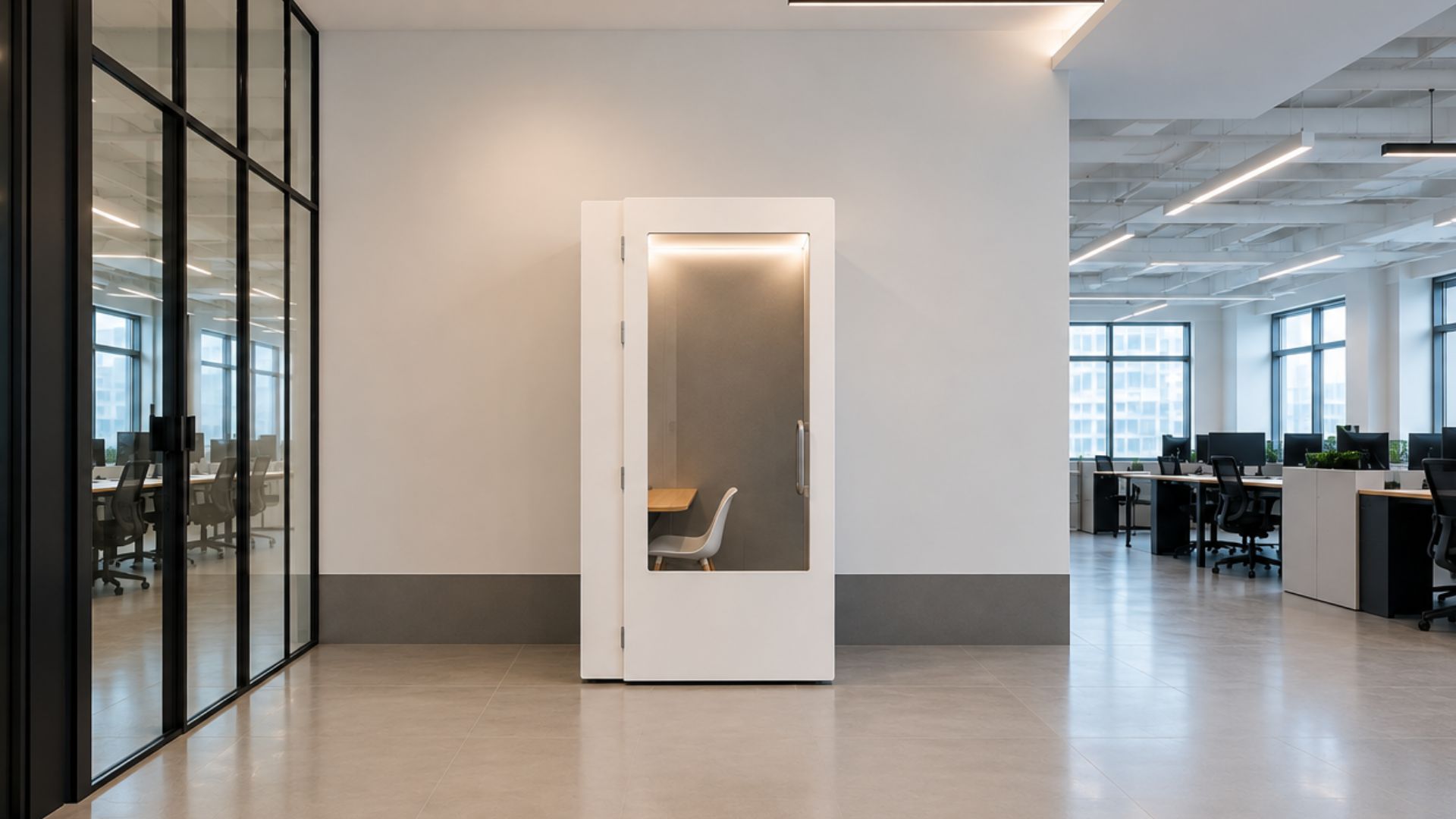
Installing modular booths is one of the most practical ways to improve concentration in open-plan offices without constructing permanent rooms.
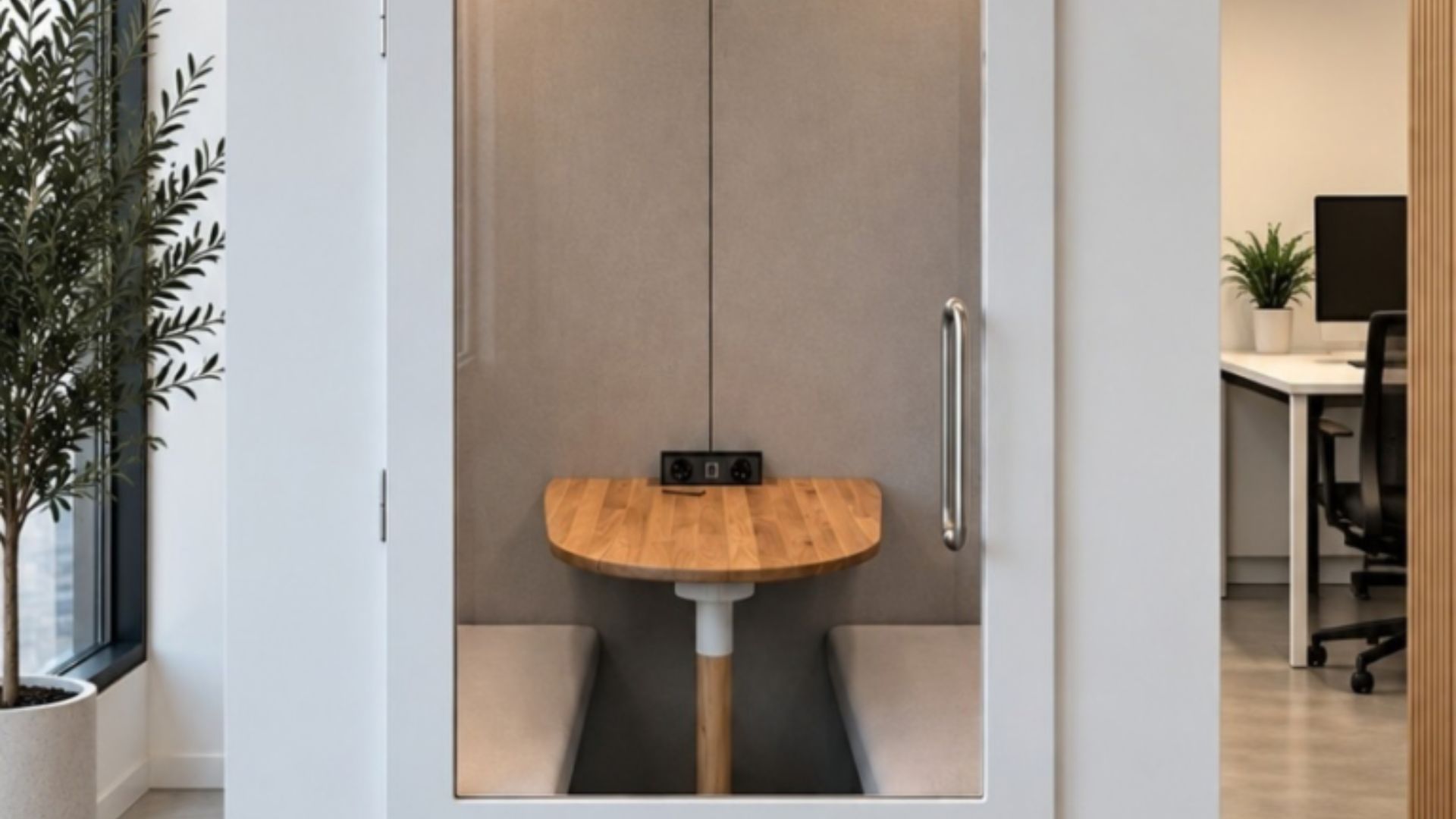
Acoustic booths create independent spaces for:
- Phone calls.
- Video meetings.
- Private conversations.
- Interviews.
- Individual work.
- Confidential discussions.
- Tasks requiring focused attention.
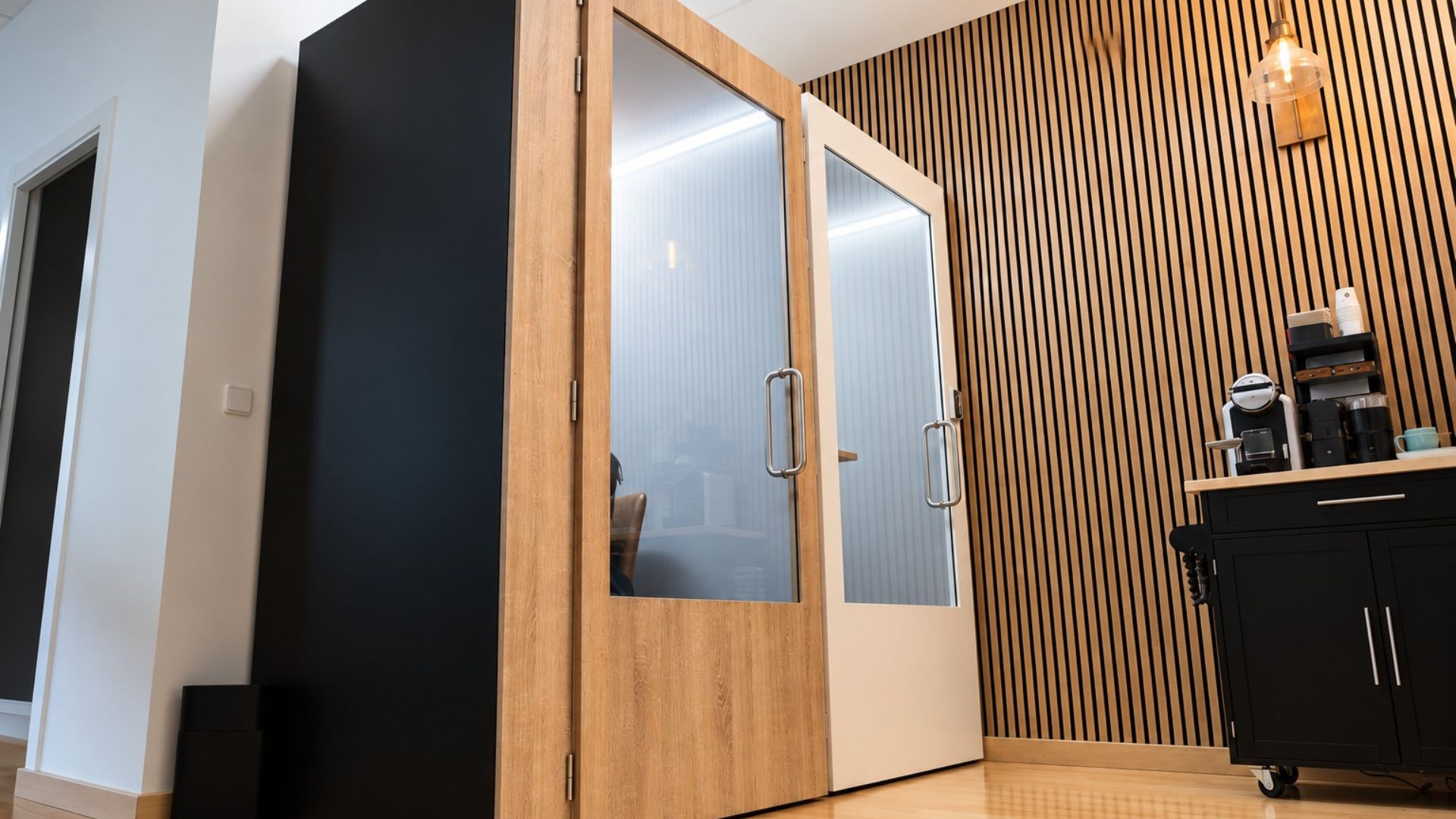
They can also be dismantled or relocated when the office layout changes.
Benefits of acoustic booths in open offices
Fewer distractions
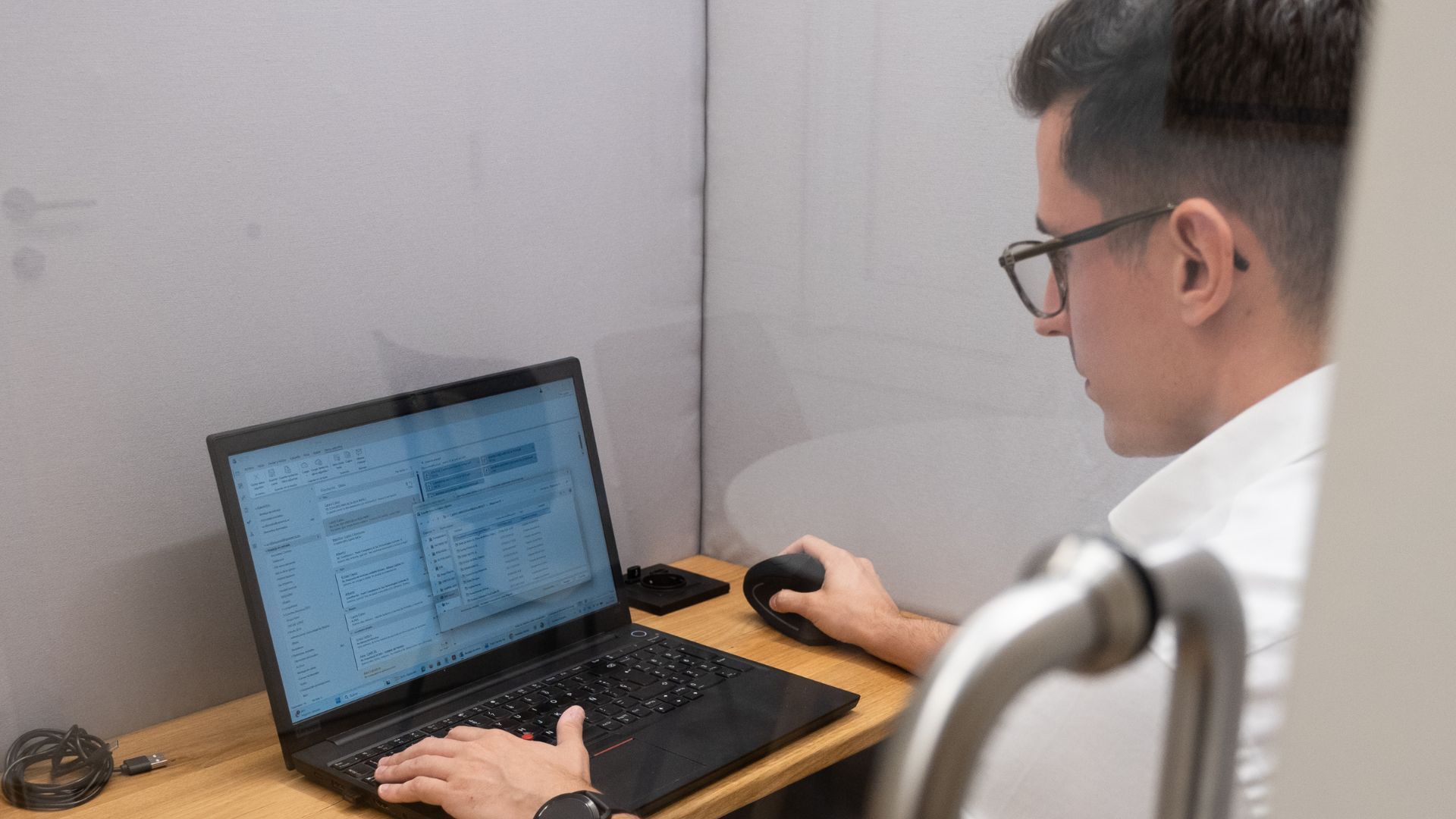
The physical and acoustic separation helps the person inside focus on a specific call or task.
It also reduces the impact of that conversation on employees working nearby.
Greater meeting-room availability
Individual calls no longer occupy rooms designed for larger groups.
Increased privacy
A booth provides an appropriate setting for interviews, sensitive discussions and commercial calls.
No permanent construction
A modular unit can be installed without creating a new room or permanently modifying the building.
Different capacities
Companies can combine individual booths with models for two or four people.
Beexmart booths for open-plan offices
Beexmart acoustic booths help improve concentration in open-plan offices by creating private, functional spaces within shared workplaces.
The available models include:
- Beexmart One: individual calls and video meetings.
- Beexmart One Pro: individual work with additional interior space.
- Beexmart Two: meetings between two people.
- Beexmart Quatro: small team meetings.
Beexmart booths feature:
- ISO 717-1 acoustic certification.
- Declared acoustic insulation of 35 ± 2.7 dB.
- Air-renewal ventilation.
- LED lighting.
- 230 V sockets and USB ports.
- Installation without permanent construction.
- Manufacturing in Spain.
Which acoustic booth does your office need?
Before choosing a model, consider:
- How many calls take place each day?
- Are meeting rooms frequently occupied?
- How many people work in the office?
- Are individual or group spaces needed?
- Which departments require greater privacy?
- How much floor space is available?
- How many people may need a booth simultaneously?
An office with frequent individual calls may need several one-person booths. Businesses that also hold interviews and small meetings may benefit from combining different sizes.
Selecting the right capacity is essential if the objective is to improve concentration in open-plan offices over the long term.
Collaboration and concentration can coexist
Open offices do not have to choose between communication and silence.
Shared areas can continue to support collaboration, while quiet zones and acoustic booths provide an alternative for tasks requiring privacy or sustained attention.
This approach adapts the workplace to the activity instead of forcing every employee to work in the same conditions.
Start improving your open-plan office
To improve concentration in open-plan offices, companies should combine thoughtful organisation, shared rules and appropriate spaces.
A complete renovation is not always necessary. Modular acoustic solutions can transform the everyday working experience while preserving a flexible layout.
Beexmart can help you assess your office and choose the right acoustic booth for your team.
Explore our acoustic booths or contact Beexmart for personalised advice.